

Madinah holds a special place in every Muslim’s heart. The city witnessed the Prophet’s (PBUH) migration, struggles, and triumphs.
When you visit during Umrah or Hajj, you are walking the same paths where Islam’s foundation was laid.
Our team at Makkah Cab helps pilgrims explore these blessed locations with comfort and ease. We understand that ziyarat in Madinah means more than just visiting places; it is about connecting with your faith’s history.
-
Al-Masjid an-Nabawi – The Heart of Madinah
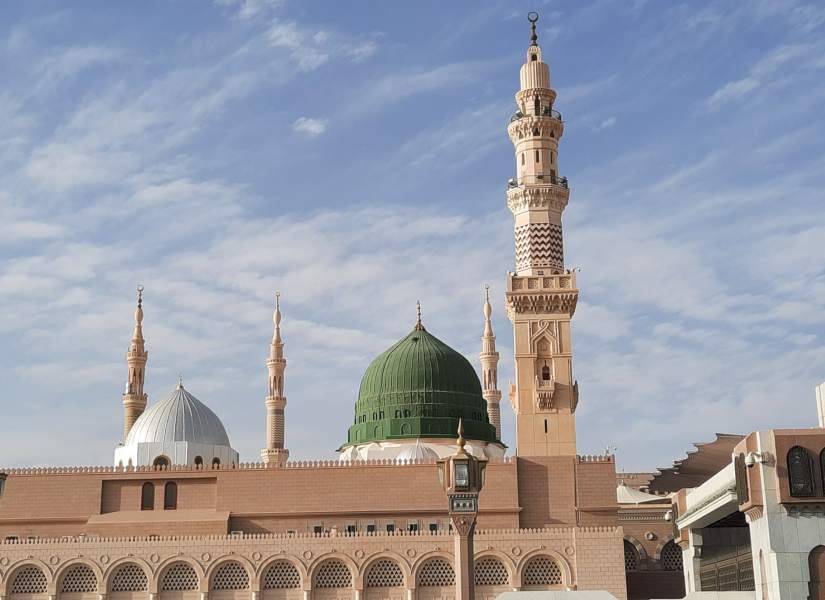
Your spiritual journey begins from Masjid an-Nabawi in Madinah. The Prophet’s Mosque stands as the second-holiest site in Islam after Masjid al-Haram.
Prophet Muhammad (PBUH) built this mosque himself after migrating from Makkah. His blessed grave rests here under the iconic green dome, alongside his companions Abu Bakr (RA) and Umar (RA).
Inside the mosque, you will find Rawdah Sharif, the garden between the Prophet’s tomb and his pulpit. This area is known as a piece of Paradise itself. A prayer here carries immense reward and blessing.
-
Quba Mosque – The First Mosque in Islam
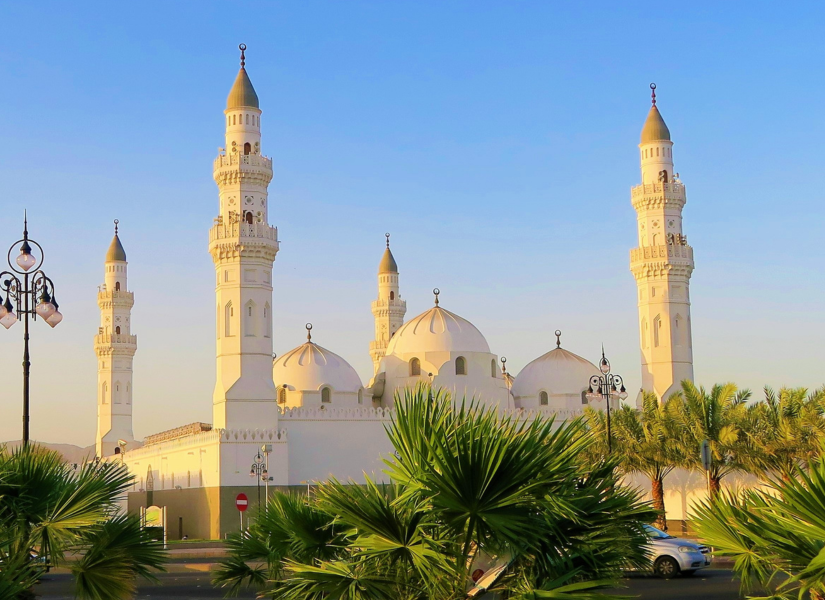
Just 6 kilometers from Masjid an-Nabawi Quba Mosque is situated. Prophet Muhammad (PBUH) laid its foundation stones upon arriving in Madinah from Makkah.
This makes it the first mosque ever built in Islam. The white structure with its elegant minarets creates a peaceful atmosphere for prayer.
Praying two rak’ahs here equals the reward of performing an Umrah. That’s what makes Quba such an important stop in your Madinah ziyarat list. The Prophet (PBUH) himself used to visit this mosque every Saturday.
You can easily reach Quba by taxi or arrange transport through our service at Makkah Cab.
-
Masjid al-Qiblatayn – Where Direction Changed
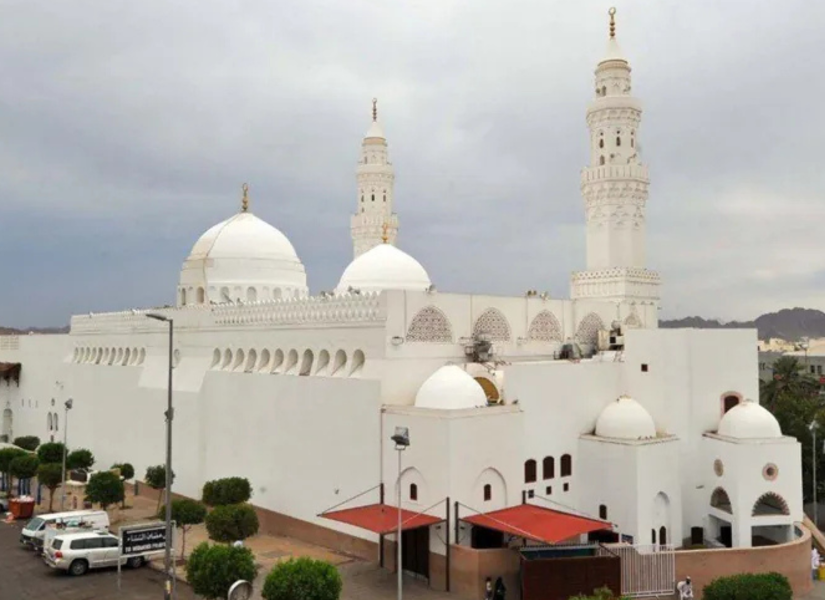
This mosque witnessed a miraculous moment in Islamic history. While leading prayers here, the Prophet (PBUH) received divine instruction to change the qibla from Jerusalem to the Kaaba in Makkah.
The congregation immediately turned mid-prayer to face the new direction. This event marked a significant shift for the Muslim community.
The beautiful marble structure stands as one of the best historical places to visit in Madinah. Its significance in Islamic history makes it essential for your ziyarat journey.
-
Mount Uhud and the Martyrs’ Cemetery
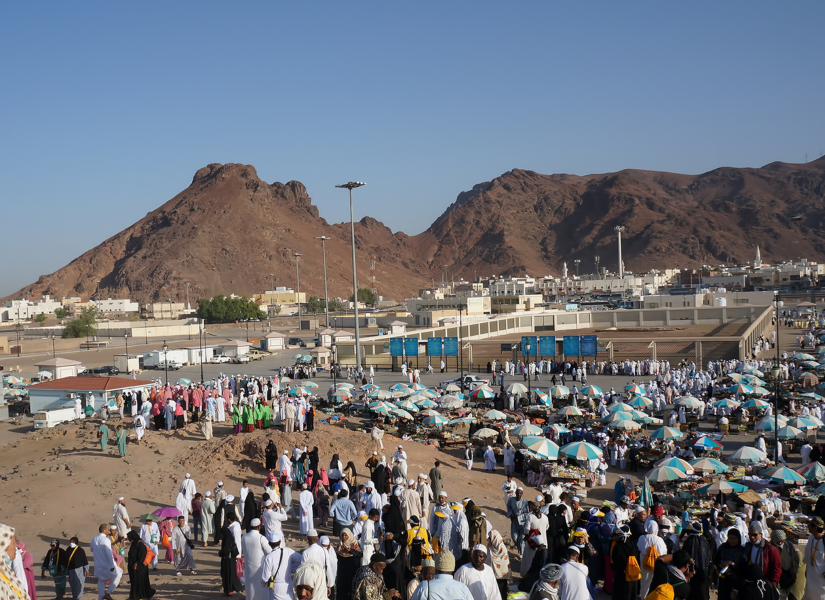
Standing tall in northern Madinah, Mount Uhud witnessed one of Islam’s most significant battles. The Battle of Uhud took place here in 625 CE between Muslims and the Quraysh army from Makkah.
Though the battle brought hardship, it taught invaluable lessons about obedience and faith. Prophet Muhammad (PBUH) was injured during this battle, yet his courage inspired his followers.
Visiting this site fills your heart with reverence. You can see the graves through the windows in the boundary wall and offer prayers for these brave souls.
-
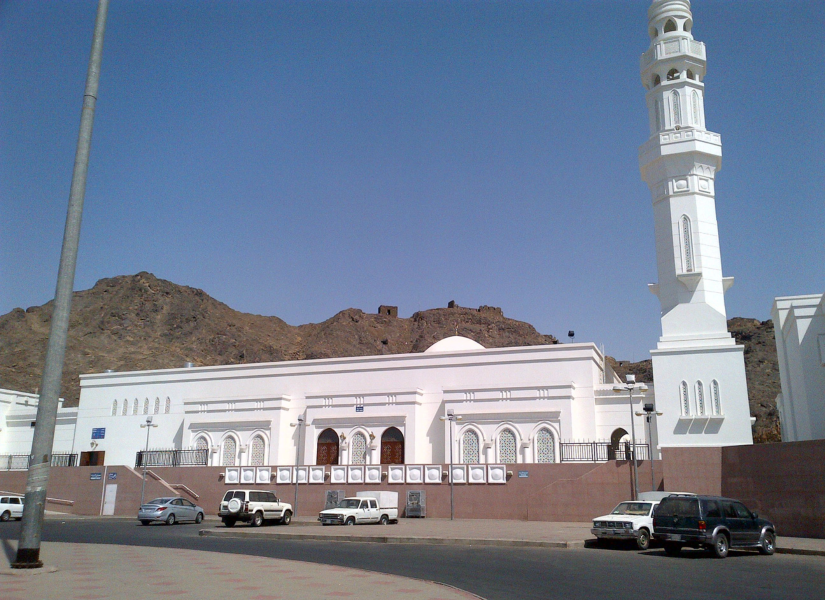
Seven Mosques (Saba Masajid)
The Seven Mosques complex marks where the Battle of the Trench unfolded. In 627 CE, a massive army of over 10,000 warriors marched on Madinah to destroy the Muslim community.
Salman al-Farsi (RA) suggested digging a trench as a defense strategy Arabs had never seen before. The 3,000 Muslims worked tirelessly to dig this protective barrier.
These small mosques served as command posts along the trench line. Each one is named after the companion who stood guard there: Masjid al-Fath (the largest), Masjid Salman al-Farsi, Masjid Ali, Masjid Umar, Masjid Abu Bakr, and Masjid Fatimah.
Today, these mosques have been consolidated into one large, beautiful complex. The historical significance remains deeply moving for every visitor.
-
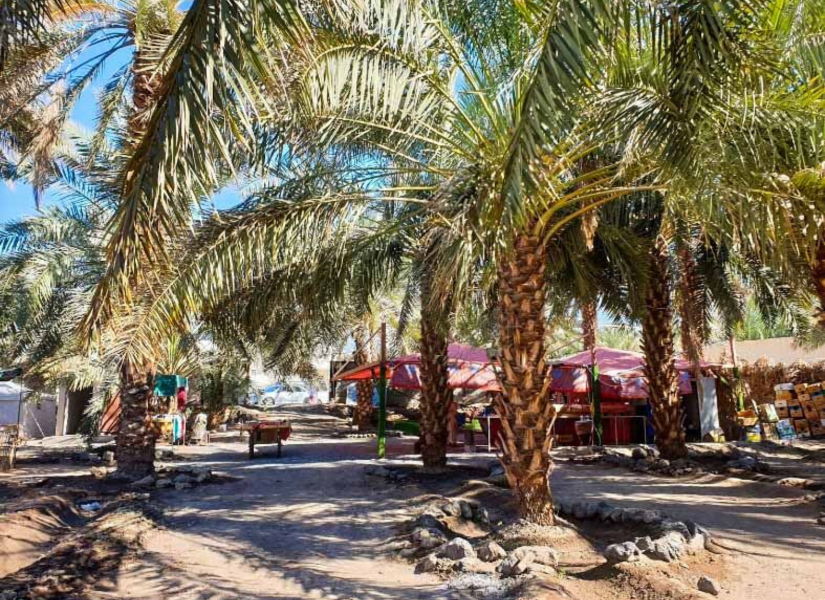
Garden of Salman Farsi
This blessed garden tells a beautiful story of freedom and faith. Prophet Muhammad (PBUH) and his companions planted date palms here to help Salman al-Farsi (RA) earn his freedom from slavery.
His Jewish master had set a steep price for freedom, planting hundreds of date palms and a large sum of gold. The Prophet (PBUH) himself helped plant the trees, and miraculously, all but one survived.
This garden stands as proof of the Prophet’s blessed hands and his care for his companions. The peaceful setting allows quiet reflection on loyalty, sacrifice, and divine blessing.
-
Jannat al-Baqi
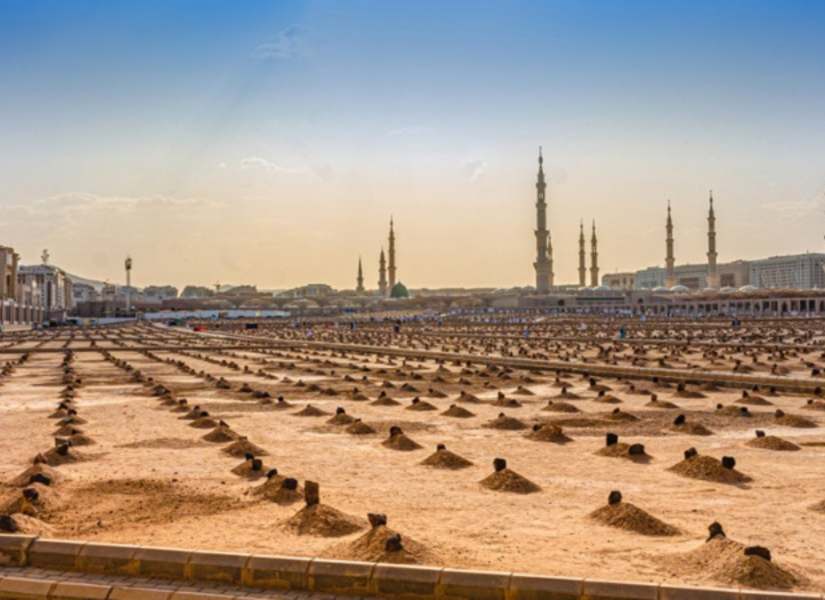
This ancient cemetery holds profound importance in Islamic history. It is the final resting place of thousands of the Prophet’s family members, companions, and righteous Muslims.
Among those buried here are the Prophet’s wives (except Khadijah RA), his daughter Fatimah (RA), his son Ibrahim, his grandson Hasan (RA), and countless companions.
The cemetery has a simple appearance, white walls, and unmarked graves. This simplicity reflects Islamic teachings about humility in death. You can visit during designated hours to pay respects and make dua for those resting here.
-
Masjid al-Jummah
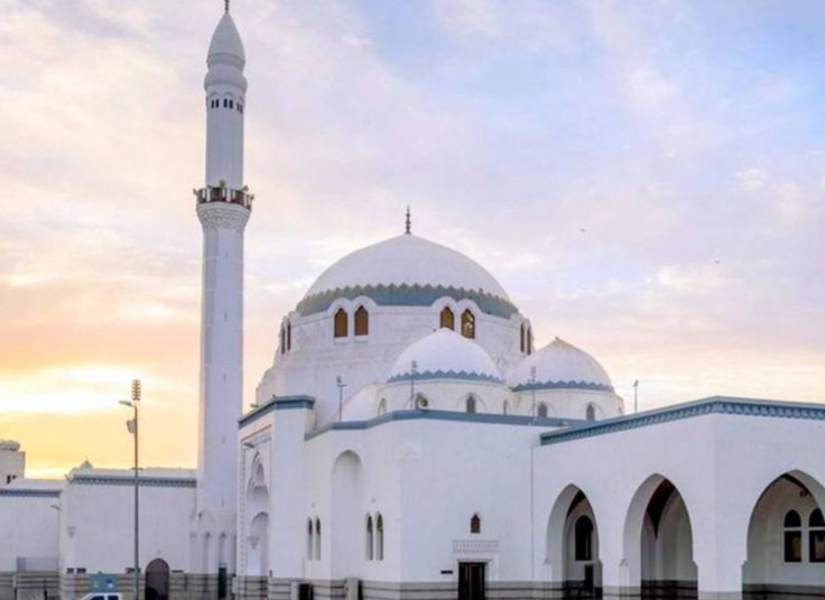
This mosque marks where Prophet Muhammad (PBUH) led the very first Jummah prayer after migrating to Madinah. The significance of this event shaped Muslim worship for all time.
The mosque sits in the Ranuna valley, where the Prophet stopped while traveling from Quba to Madinah. Seeing where this pivotal moment occurred adds depth to your understanding of Islamic practices.
Though small compared to other sites, its historical value makes it worth visiting. Many pilgrims include it when exploring religious places to visit in Madinah.
-
Masjid al-Ghamama: Where Rain Was Blessed
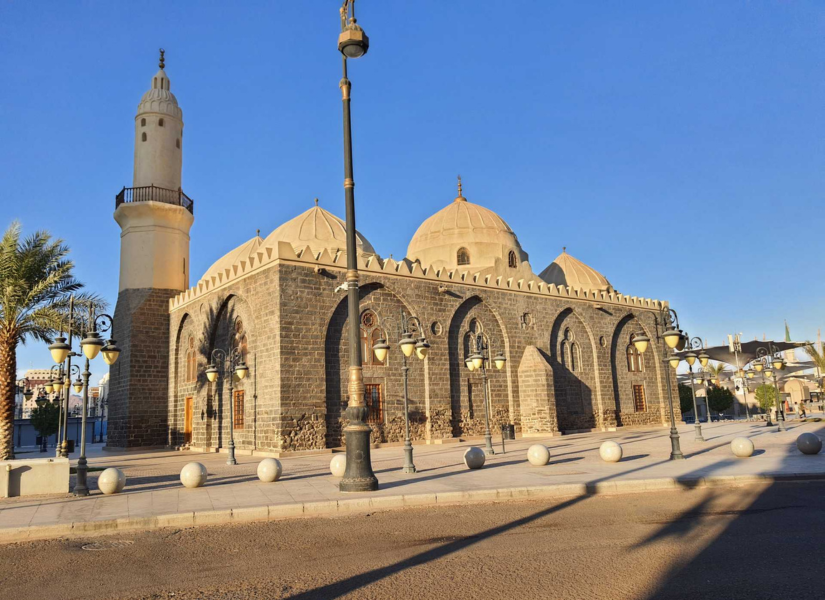
Masjid al-Ghamama, also called the Mosque of the Clouds. This small mosque stands near Masjid an-Nabawi. Prophet Muhammad (PBUH) prayed for rain here, and his prayer was immediately answered.
The mosque also served as an Eid prayer ground during the Prophet’s time. Its simple structure carries the blessing of the Prophet’s presence and prayers.
Though modest in size, the spiritual significance attracts many visitors seeking barakah. It is easily accessible on foot from the main mosque.
-
Well of Uthman (Bir Uthman)
This well tells the story of Uthman ibn Affan’s (RA) generosity. When Muslims first arrived in Madinah, a Jewish man owned the only well with sweet water. He charged high prices.
The Prophet (PBUH) mentioned that whoever bought the well and made it accessible to all would earn Paradise. Uthman (RA) immediately purchased it for 20,000 dirhams—a massive sum.
He made the water free for everyone, fulfilling the Prophet’s vision of a caring community. The well continues to flow today, reminding visitors of selfless charity.
-
Masjid Abu Bakr: The First Caliph’s Prayer Spot
This small mosque marks where Abu Bakr al-Siddiq (RA) used to pray. As the Prophet’s closest companion and first caliph, his dedication to worship inspires all Muslims.
The mosque sits among the Seven Mosques area, though it’s often grouped separately. Visiting here honors the memory of a man whose faith never wavered.
Its proximity to other ziyarat places in Madinah makes it easy to include in your tour. Our drivers at Makkah Cab know exactly how to plan an efficient route.
-
Masjid al-Manaratain – The Twin Minarets
This historical mosque dates back to the Prophet’s era. Its name means “Mosque of Two Minarets,” referring to its distinctive architecture.
The mosque holds significance as one of the oldest structures in Madinah. While less famous than others, it adds to your understanding of the city’s Islamic heritage.
Many Madinah ziyarat guides include this site for its architectural and historical value. It represents the early development of mosque construction in Islam.
-
Bir Ali (Well of Ali)
This well carries the name of Ali ibn Abi Talib (RA). According to tradition, his army once ran out of water during a campaign. He dug this well, which continues providing water today.
Located near Masjid Shajarah (the Miqat point), it is convenient for pilgrims entering ihram for Umrah. The fresh water serves as a reminder of divine provision through righteous hands.
-
Dar al-Madinah Museum
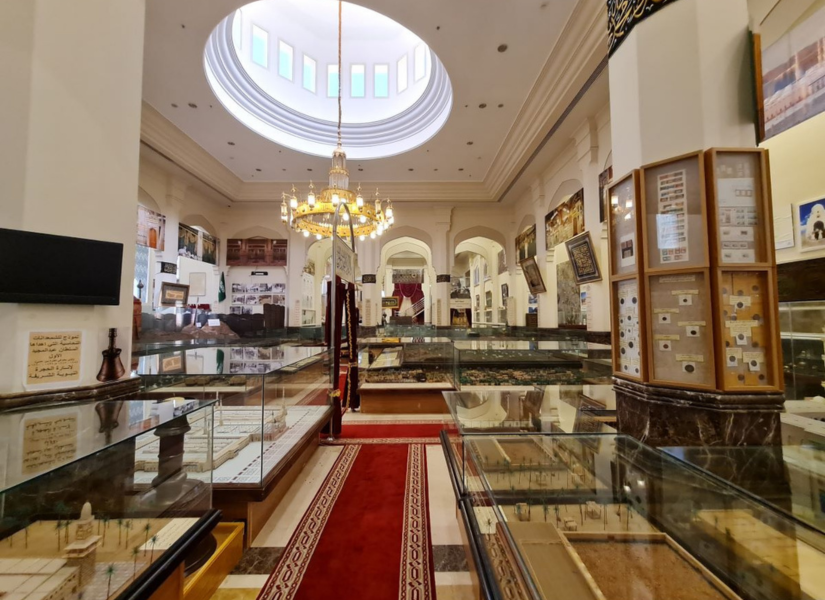
For those interested in cultural history, this museum offers incredible insights. It houses around 2,000 rare artifacts documenting Madinah’s development over centuries.
You will see archaeological collections, rare photographs, and visual galleries showing how the city transformed. The exhibits help you understand daily life during the Prophet’s (PBUH) time and beyond.
It is perfect for families, offering educational value alongside spiritual sites. Kids especially enjoy the interactive displays and historical models.
Why Choose Makkah Cab for Your Ziyarat
Navigating between these blessed places requires reliable transportation. Public transport exists but can be confusing, especially for first-time visitors.
We provide comfortable, air-conditioned vehicles with knowledgeable drivers who understand every location’s significance. They share stories about each site and recommend the best visiting times.
Our drivers know alternative routes to avoid traffic during peak seasons. This saves you valuable time for worship and reflection.
Family-Friendly Service – We accommodate groups of all sizes, from individuals to large families.
Flexible Schedules – Create your own itinerary or follow our recommended routes covering all major sites efficiently.
Affordable Rates – Transparent pricing with no hidden charges. Book in advance for the best deals.
Local Expertise – Our team knows Madinah inside out. They will suggest places to eat, rest stops, and the optimal sequence for visiting sites.
Makkah Cab has helped thousands of pilgrims complete their ziyarat comfortably. Your spiritual journey deserves transportation you can trust.
Conclusion
The top attractions in Madinah offer more than historical interest. They provide spiritual nourishment that lasts a lifetime. From the Prophet’s Mosque to the battlefields where companions sacrificed everything, each site carries profound meaning.
At Makkah Cab, we are honored to facilitate your sacred journey through these blessed places. Our commitment is to make your ziyarat e Madinah smooth, comfortable, and spiritually fulfilling.
Ready to explore Madinah’s sacred sites? Contact Makkah Cab today for customized ziyarat packages. We make your spiritual journey effortless and memorable.